

In an era where agility, scalability, and innovation are essential for business success, Software as a Service (SaaS) has emerged as a cornerstone of digital transformation. But what exactly is SaaS? At its core, SaaS delivers software applications over the internet, eliminating the need for complex infrastructure or lengthy installations. With its user-friendly model and cost-effectiveness, SaaS has revolutionized how organizations access and use technology.
What are SaaS Statistics?
SaaS Statistics refers to data and figures related to Software as a Service (SaaS) businesses and their market performance. This includes information about revenue growth, adoption rates, customer retention, market share, industry trends, and other key metrics relevant to SaaS companies.
Why are SaaS Statistics Critical?
The rapid growth of the SaaS industry is undeniable, but understanding the numbers behind the trends is where businesses can gain a competitive edge. SaaS statistics for 2025 provide actionable insights into:
- How organizations worldwide are adopting SaaS solutions.
- The financial and operational impact of SaaS tools on businesses.
- Customer preferences and challenges in a rapidly evolving market.
For decision-makers, these statistics aren’t just numbers—they’re a roadmap to staying ahead in a crowded and fast-paced industry. Knowing where the SaaS market is headed and what factors drive success enables companies to make informed investments, improve operational efficiency, and capture emerging opportunities.
What This Article Covers
This article dives into the most relevant and up-to-date SaaS statistics for 2025. From market growth and adoption rates to financial insights and emerging technology trends, we’ve curated a comprehensive overview to help you navigate the SaaS landscape. Whether you’re a business leader, a tech enthusiast, or an investor, these statistics will empower you to make data-driven decisions and stay ahead of the curve.
Let’s explore the numbers that matter most in the SaaS world of 2025!
SaaS Statistics on Market Growth in 2025
The SaaS industry is undergoing rapid expansion, driven by increased demand for cloud-based solutions across businesses of all sizes. Let’s explore the numbers that highlight this unprecedented growth.
 (Image Source:Link)
Global SaaS Market Value

The global SaaS market continues to experience strong growth:
- In 2023, the market was valued at approximately $273.33 billion, according to Statista.
- Projections indicate the market will surpass $1.23 trillion by the end of 2032, growing at a compound annual growth rate (CAGR) of 11.3%, according to Gartner.
- By 2025, the market is expected to cross the $300 billion mark, cementing SaaS as one of the most lucrative software models.
Regional SaaS Growth Statistics
The adoption of SaaS solutions varies significantly across regions, reflecting differences in digital maturity, infrastructure, and market readiness.

(Image Source: Link)
-
North America
- North America remains the largest SaaS market, with the United States alone contributing over $187 billion in SaaS revenue by 2024.
- The region’s dominance is driven by high cloud adoption rates, a tech-savvy workforce, and robust digital transformation efforts.
-
Europe
- Europe is witnessing a steady rise in SaaS adoption, particularly in industries such as manufacturing, healthcare, and retail.
- Countries like Germany, the UK, and France lead the charge, accounting for the majority of the region’s SaaS spending.
-
Asia-Pacific (APAC)
- APAC is the fastest-growing SaaS market, with significant contributions from countries like India, China, and Australia.
- Digital transformation initiatives and government-backed technology programs are accelerating adoption.
-
Emerging Markets
- Regions like Latin America and Africa are gradually embracing SaaS, driven by increased internet penetration and the rise of startups leveraging cloud solutions.

- With a $262.3 billion market valuation as of January 2024, Salesforce was the biggest SaaS firm listed on the U.S. Stock Exchange.
Top Industries Driving SaaS Expansion: Industry-Specific Statistics
As SaaS adoption continues to expand globally, several industries are leading the way with their rapid embrace of cloud-based solutions. Below, we explore the top industries driving the growth of SaaS, including healthcare, retail, IT & telecom, and finance. The statistics and trends highlighted reflect both current adoption rates and projected growth, providing a comprehensive view of each sector’s SaaS journey.

(Image Source: Link)
1. SaaS Adoption in Healthcare
- Current Market Share: The healthcare industry holds 13.5.% of the global SaaS market share as of 2023.
- Projected Growth: The healthcare SaaS market is expected to grow at a CAGR of 20% through 2025, with estimates reaching over $50 billion by 2025.
Key Drivers:
- EHR and EMR Systems: Cloud-based electronic health records (EHR) and electronic medical records (EMR) systems are revolutionizing data management in healthcare. Hospitals and clinics are rapidly adopting SaaS to manage patient information securely and efficiently.
- Telemedicine Platforms: The demand for virtual healthcare services has skyrocketed in recent years, driving the adoption of SaaS telemedicine solutions. These platforms facilitate remote consultations, diagnostics, and healthcare monitoring.
- AI & Machine Learning: SaaS solutions leveraging AI are being used for predictive analytics, diagnostic tools, and personalized healthcare, improving both outcomes and operational efficiency.
Growth Projections:
- The market for cloud-based healthcare solutions is expected to continue expanding due to the increasing need for interoperability, patient-centric services, and the push for digital transformation in healthcare systems worldwide.
2. SaaS Adoption in Retail
- Current Market Share: The retail and consumer goods industry accounts for approximately 19.4% of global SaaS market share in 2023.
- Projected Growth: The retail SaaS market is expected to grow at a CAGR of 15% annually through 2025, reaching $60 billion by the forecasted year.
Key Drivers:
- E-Commerce Platforms: Cloud-based e-commerce solutions are widely adopted by retail companies to create scalable, agile, and secure online stores. These platforms allow businesses to easily manage product listings, payments, and customer interactions.
- Customer Relationship Management (CRM): Retailers use SaaS CRM platforms to gather data on consumer behavior, improve customer segmentation, and optimize marketing efforts.
- Omnichannel Experience: Retailers are leveraging SaaS for integrated online and offline shopping experiences. SaaS solutions support inventory management, personalized marketing, and data synchronization across multiple channels.
- AI and Personalization: AI-powered SaaS tools allow retailers to personalize shopping experiences, recommend products, and optimize pricing strategies.
Growth Projections:
- As e-commerce continues to grow and consumer expectations shift towards personalized experiences, SaaS solutions in retail will continue to thrive. Mobile commerce, in particular, is expected to play a key role in the expansion of SaaS in the retail space.
3. SaaS Adoption in IT & Telecom
- Current Market Share: IT and telecom services contribute 15.6% to the global SaaS market share in 2022.
- Projected Growth: The IT & Telecom SaaS market is set to grow at a CAGR of 12.7% through 2025, reaching an estimated $80 billion by 2025.
Key Drivers:
- Cloud Infrastructure & Management: SaaS is pivotal in cloud infrastructure management, allowing IT and telecom companies to offer scalable solutions to businesses for hosting, data storage, and security management.
- Collaboration & Communication Tools: SaaS platforms such as Microsoft Teams, Slack, and Zoom have revolutionized how IT and telecom companies collaborate internally and communicate with clients.
- Network Security: With the growing threat of cyberattacks, telecom companies are adopting SaaS solutions for enhanced network security, such as intrusion detection and prevention systems (IDPS) and endpoint security platforms.
- 5G and SaaS Integration: The rollout of 5G networks is expected to drive further SaaS adoption in IT and telecom. Cloud-based solutions for network management, edge computing, and automation will play a crucial role in the 5G era.
Growth Projections:
- The ongoing digital transformation in IT and telecom, combined with the increasing demand for reliable, secure, and scalable cloud solutions, ensures that SaaS will remain a key enabler of innovation in this space.
4. SaaS Adoption in Banking, Financial Services, and Insurance
- Current Market Share: BFSI contributes 22.6% of the global SaaS market share in 2023 (Statista).
- Projected Growth: The BFSI SaaS market is projected to grow at a CAGR of 14.3%, potentially reaching $130 billion by 2025.
Key Drivers:
- Financial Management Solutions: Cloud-based financial management tools allow BFSI companies to streamline accounting, payments, and risk management. SaaS solutions help automate back-office functions, improve compliance, and reduce costs.
- Customer Experience (CX): CRM systems and AI-powered SaaS platforms help financial institutions improve customer engagement by providing personalized recommendations, loyalty programs, and proactive support.
- Fraud Detection and Risk Management: SaaS solutions powered by artificial intelligence and machine learning are increasingly being used to detect fraudulent activities and assess financial risks in real-time.
- Regulatory Compliance: Financial services firms are adopting SaaS solutions to manage compliance with changing regulations, ensuring data security and preventing breaches.
Growth Projections:
- As the financial sector becomes more digital and increasingly reliant on cloud-based solutions for security, compliance, and customer engagement, SaaS will continue to dominate in the BFSI sector.
Key Insights & Future Growth Areas
- Healthcare SaaS is set to grow at the fastest pace, driven by the increasing need for digital transformation, interoperability, and patient-centric solutions.
- Retail SaaS is benefiting from the continued rise of e-commerce, the growing importance of customer data, and the demand for personalized shopping experiences.
- IT & Telecom is poised for steady SaaS growth, driven by advancements in cloud infrastructure, 5G networks, and the need for enhanced cybersecurity.
- BFSI is continuing its dominance, with a strong focus on automation, compliance, and AI-driven solutions to enhance customer experience and operational efficiency.
Financial SaaS Statistics
The Software as a Service (SaaS) industry is poised for significant growth and transformation as we approach 2025. Below is an overview of key financial statistics and trends shaping the SaaS landscape:

- Global SaaS Spending: The average annual SaaS spend per organization in 2025 is estimated to be $4,830 per employee.
- Spending Growth: In 2023, organizations spent an average of $2,884 per employee, reflecting a 10.9% increase year-over-year.
- Industry Variations: SaaS spending is highest in technology-driven industries, where the average organization allocates 25% of its IT budget to SaaS tools.
SaaS Revenue Growth Statistics
The SaaS industry continues to experience robust financial performance, driven by increasing adoption and subscription-based models.

- Market Size: The global SaaS market is projected to reach $272.49 billion by the end of 2025, up from $214.32 billion in 2023.
- Revenue Growth Rate: SaaS companies are achieving a CAGR of 12.5% from 2021 to 2025, with key drivers being AI-driven tools and integrations.
- Top Performers: Enterprises providing financial SaaS solutions, such as billing and expense management platforms, reported an average revenue growth of 18% in 2024.
ROI Statistics for SaaS Investments
Investing in SaaS often delivers measurable returns, particularly in cost efficiency and productivity improvements.

- Cost Savings: Companies adopting SaaS solutions report an average 22% reduction in operational costs within the first year.
- Productivity Gains: SaaS tools help increase team productivity by 30%, particularly in finance and HR departments
- ROI Metrics: For every dollar spent on financial SaaS tools, organizations achieve an average ROI of $4.12.
SaaS Customer Retention and Experience Statistics
Customer retention and experience are vital metrics for SaaS providers aiming to thrive in a competitive landscape. Understanding churn rates, effective retention strategies, and customer preferences enables businesses to optimize their offerings and ensure long-term success.
Churn Rate Trends in SaaS
Churn rate is a key performance indicator reflecting the percentage of customers who discontinue their subscriptions over a given period. Here are the latest insights:

- Average Churn Rates: In 2025, the average annual churn rate for SaaS companies stands at 15%, down from 16.5% in 2024, showcasing gradual improvement
- Regional Variations: North American SaaS companies report an average churn rate of 14%, while European providers face slightly higher rates at 16%.
- Drivers of Churn: Key reasons for customer churn include poor onboarding experiences (35%), lack of product adoption (28%), and inadequate customer support (20%).
Customer Retention Statistics
Retention strategies are critical for SaaS providers to maintain revenue and foster customer loyalty. Here’s a look at what works:

- Impact of Personalized Engagement: SaaS companies utilizing tailored engagement tactics achieve an 18% higher retention rate than those relying on generic approaches.
- Proactive Support: Providers offering 24/7 customer support experience a 25% reduction in churn, emphasizing the importance of availability.
- Loyalty Programs: Reward-based retention strategies lead to a 12% increase in renewal rates, particularly among small-to-medium businesses.
Customer Preferences for SaaS Providers
Understanding customer preferences is key to reducing churn and enhancing satisfaction. Here’s what customers prioritize in their SaaS choices:

- Ease of Use: 78% of customers rank ease of use as the most critical factor in selecting a SaaS provider.
- Pricing and Flexibility: 65% of customers prefer SaaS products with transparent pricing and flexible subscription models.
- Customer Support: Reliable and responsive support drives decisions for 70% of users, underscoring the need for robust service.
- Integrations: 50% of users prioritize platforms that seamlessly integrate with their existing tools and workflows.
SaaS Statistics on Emerging Technologies
Emerging technologies are transforming the SaaS landscape, with artificial intelligence, low-code/no-code platforms, and mobile-first solutions at the forefront. These innovations are driving adoption and creating new opportunities for businesses to enhance efficiency and customer satisfaction.
AI Integration in SaaS
Artificial intelligence (AI) is increasingly being integrated into SaaS solutions to enhance functionality, automate tasks, and provide predictive insights.

- Adoption Rate: As of 2025, 64% of SaaS providers have incorporated AI or machine learning capabilities into their platforms, up from 48% in 2023.
- Key Use Cases: The most common applications of AI in SaaS include customer service chatbots (35%), data analytics (30%), and predictive maintenance (20%).
- Impact on Productivity: Companies using AI-enhanced SaaS tools report a 25% increase in operational efficiency.
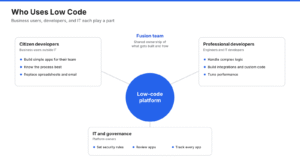
Low-Code/No-Code SaaS Adoption
Low-code and no-code platforms are democratizing software development, allowing users with minimal technical expertise to create applications and workflows.

- Adoption Rate: In 2025, 58% of organizations report using low-code/no-code SaaS tools, up from 43% in 2023.
- Growth Drivers: Key factors include reduced development costs (40%), faster deployment (35%), and ease of customization (25%).
- Industries Leading Adoption: The technology sector leads with a 65% adoption rate, followed by financial services at 60%.
Mobile-First SaaS Statistics
With the rise of remote work and mobile devices, mobile-first SaaS solutions are gaining prominence.

- Usage Trends: In 2025, 72% of SaaS users access platforms via mobile devices, a significant increase from 65% in 2023.
- Key Features Driving Adoption: Mobile-friendly interfaces (50%), offline access (30%), and seamless synchronization (20%) are the top priorities for users.
- Industries Benefiting Most: Retail and e-commerce lead in mobile SaaS adoption with 75% usage rates, followed by healthcare at 68%.
SaaS Security and Compliance Statistics
Security and compliance have become top priorities for SaaS providers as data privacy concerns and regulatory requirements grow. Here are some latest statistics on data breaches, compliance adoption, and customer perceptions of SaaS security, offering actionable insights for businesses in the industry.
Data Breaches in SaaS
Data breaches continue to pose significant risks to SaaS companies, emphasizing the need for robust security measures.

- Incidence of Data Breaches: In 2025, 34% of SaaS companies reported experiencing a data breach, an increase from 28% in 2023 .
- Cost of Breaches: The average cost of a data breach for SaaS providers is estimated at $4.35 million, including legal fees, customer compensation, and reputational damage.
- Common Threats: Phishing attacks (40%), insider threats (25%), and ransomware (20%) are the most common types of cyber threats affecting SaaS platforms.
Compliance Adoption Rates
Compliance with global security standards is essential for SaaS providers to protect user data and build trust.

- GDPR Compliance: In 2025, 70% of SaaS providers adhere to GDPR guidelines, compared to 62% in 2023.
- HIPAA Compliance: Among SaaS companies serving the healthcare sector, 55% are HIPAA-compliant, up from 50% in 2023.
- SOC 2 Certification: 45% of SaaS providers achieved SOC 2 certification in 2025, highlighting the growing focus on data security and operational controls.
Customer Concerns About Data Privacy
Data privacy remains a critical factor influencing customer trust and SaaS adoption rates.

- Customer Trust Levels: 68% of SaaS users express concerns about data privacy, citing fears of data misuse and insufficient security measures (Source: Deloitte, 2025).
- Importance of Transparency: 75% of customers prioritize SaaS providers with clear and transparent data usage policies.
- Security as a Differentiator: 60% of users are willing to pay a premium for SaaS platforms with advanced security features.
Startup and Investment SaaS Statistics for 2025
The Software-as-a-Service (SaaS) sector continues to evolve rapidly, with significant developments in unicorn valuations, venture capital investments, and the emergence of new SaaS hubs. Here are some trends, supported by the latest statistics and insights.
SaaS Unicorns: Growth and Valuations
According to Exploding Topics As of 2025, the global SaaS industry has seen a substantial increase in unicorn companies—startups valued at over $1 billion. Notably, 20% of U.S.-based unicorns are SaaS companies, collectively accounting for 16% of the total U.S. unicorn value. The most valuable American SaaS unicorn is Figma, valued at $12.5 billion. Globally, there are over 1,565 unicorns across 53 countries and 291 cities, marking a significant rise from previous years.
Venture Capital Trends in SaaS
In 2025, venture capitalists are focusing on sectors with durable demand, adopting a more selective, value-driven approach to capital deployment. There is a notable surge in investments in artificial intelligence (AI) startups, with firms like Blackbird focusing on vertical AI software tailored for specific industries. Additionally, a resurgence of large-scale funding rounds is anticipated, setting an active pace for the year.
Emerging SaaS Hubs
The SaaS landscape is expanding beyond traditional markets, with significant growth in non-traditional regions. The European SaaS market is projected to reach $60.36 billion by 2025, with a compound annual growth rate (CAGR) of 18.4%. Similarly, the UK SaaS market, valued at $7.5 billion in 2020, is expected to double by 2025. In Latin America, the SaaS market is predicted to have a CAGR of 21.9% between 2020 and 2025, indicating rapid adoption and growth in the region.
Challenges Highlighted by SaaS Statistics
SaaS (Software as a Service) continues to grow rapidly, but with this growth come various challenges. Here are some key challenges highlighted by recent SaaS statistics:

Saturation and Competition in SaaS
- Challenge: The rapid increase in the number of SaaS providers has led to a saturated market, making it harder for companies to stand out.
- SaaS Statistics: Recent data suggests a 30% increase in the number of SaaS companies over the past three years, intensifying competition.
SaaS Pricing Statistics
- Challenge: Balancing competitive pricing while maintaining profitability is a key challenge.
- SaaS Statistics: Studies show that 60% of customers expect a tiered pricing model that aligns with their usage, while 40% are willing to pay a premium for advanced features.
Macroeconomic Impact on SaaS
- Challenge: Fluctuating economic conditions can impact SaaS spending, leading to uncertain revenue streams.
- SaaS Statistics: During economic downturns, SaaS companies report a 15-20% reduction in new customer acquisition, while existing customers reduce spending by up to 10%.
Conclusion:
To stay ahead in the competitive SaaS landscape, businesses must continue tracking emerging SaaS statistics beyond 2025. Embracing trends such as AI integration, subscription model evolution, and evolving security measures will be key to achieving sustained growth and success.
Free Consultation: Interested in learning more about how these insights can shape your SaaS journey? Reach out for a free consultation with My SaaS Journey and discover tailored strategies to elevate your SaaS business.