
Asana and monday.com are two of the most popular work management tools for teams. Both help you plan projects, assign tasks, track progress, and automate routine work. On the surface, they look similar, with list and board views, timelines, dashboards, automations, and AI features.
The differences show up in how each tool is built. Asana is structured around tasks and projects, with clear ownership, dependencies, and goals that connect daily work to company objectives. monday.com is built around flexible boards made of customizable columns, which teams can shape into almost any workflow, from project plans to CRMs to inventory trackers.
This guide compares Asana and monday.com across ease of use, views, task management, customization, automations, reporting, AI, integrations, collaboration, security, and price. Pricing and feature limits can change, so confirm the current details on each vendor’s pricing page before buying. Neither company paid for placement.
Quick verdict:
- Choose Asana if your work is project and task heavy, with many dependencies, subtasks, and cross-team projects, or if you want generous automation on lower-tier plans.
- Choose monday.com if you want a highly visual, customizable workspace that can model many kinds of workflows, with strong dashboards and an interface many users find easy to learn.
- Compare total cost by team size. Asana’s paid plans start at 2 seats and monday.com’s at 3, and both sell seats in blocks, so the cheapest option depends on how many people you have.
What Is the Difference Between Asana and monday.com?
The core difference is structure versus flexibility. Asana gives you a defined model of tasks, projects, portfolios, and goals. monday.com gives you boards and columns that you configure to fit your process.

| Category | Asana | monday.com |
|---|---|---|
| Core structure | Tasks, projects, portfolios, goals | Boards, groups, items, columns |
| Best for | Structured, task-heavy project work | Flexible, visual workflows of many kinds |
| Free plan | Personal: up to 2 users | Free: up to 2 seats, 3 boards |
| Starting paid price | Starter: $10.99/user/month, billed annually | Basic: $9/seat/month, billed annually |
| Minimum paid seats | 2 | 3 |
| Timeline and Gantt views | Starter and above | Standard and above |
| Automations on entry paid plan | Unlimited on Starter | 250/month on Standard |
| Portfolios and goals | Advanced and above | Portfolio management on Enterprise |
| AI | AI Studio and AI Teammates | monday AI with monthly credits |
What Is Asana?
Asana is a work management platform founded in 2008 by Dustin Moskovitz and Justin Rosenstein. It organizes work into tasks, which sit inside projects, which can be grouped into portfolios and linked to company goals.
A distinctive feature is that a single task can belong to multiple projects at once. For example, the same task can appear in a marketing campaign project and a design team’s request queue, with updates reflected in both. Asana also supports subtasks, dependencies, milestones, approvals, and custom fields.
Asana’s AI features include AI Studio, which lets teams build AI-powered workflows, and AI Teammates, which can take on work inside projects. Availability and limits depend on plan.
What Is monday.com?
monday.com is a work management platform founded in 2012. It describes itself as a Work OS, meaning a flexible platform teams can shape into the tools they need.
Work lives on boards. Each board contains groups of items (rows), and each item has columns (fields) such as status, person, date, numbers, text, files, and formulas. Teams use monday.com for project management, content calendars, sales pipelines, IT requests, inventory, and more. The company also sells monday CRM, monday dev for software teams, and monday service.
monday.com includes dashboards that combine data from multiple boards, workdocs for collaborative documents, and monday AI, with AI credits included in paid plans.
What Do Asana and monday.com Have in Common?
Before looking at the differences, it helps to know how much the two tools share. Both:
- Offer list, board, calendar, timeline, and Gantt views, although at different plan levels.
- Support task assignment, due dates, subtasks or subitems, dependencies, and comments.
- Include no-code automations for routine steps, such as notifying people or changing status.
- Provide dashboards and reports for tracking progress.
- Include AI features on paid plans, with usage limits or credits.
- Connect to common tools such as Slack, Microsoft Teams, Google Workspace, and Zoom.
- Have free plans for two people and per-seat paid plans with annual discounts.
- Offer mobile apps for iOS and Android.
For many everyday team needs, either tool will work. The differences matter most for complex projects, heavy automation, highly customized workflows, and specific team sizes.
How Do Asana and monday.com Organize Work?

Asana: organization, then teams, portfolios, projects, tasks, and subtasks. Goals sit alongside, linked to the projects and portfolios that support them. Tasks can belong to more than one project.
monday.com: account, then workspaces, folders, boards, groups, items, and subitems. The columns on each board define what information every item holds.
In practice, Asana suits teams that think in terms of projects and deliverables, while monday.com suits teams that want to design their own system around the data they track.
What Should You Look for When Comparing Them?
Before running a trial, list what your team needs most. These questions usually decide the choice.
- How complex are your projects? Many dependencies, subtasks, and cross-team handoffs favor Asana. Simpler or highly varied workflows favor monday.com.
- What else will you track? If you also need to manage sales leads, IT requests, inventory, or other non-project work, monday.com’s flexible boards are an advantage.
- How much will you automate? Count the automations you expect to run each month. If it is more than a few hundred, check monday.com’s caps against Asana’s listed allowances.
- Who needs visibility? Leaders who want portfolio and goal tracking may prefer Asana Advanced. Managers who want visual dashboards across many boards may prefer monday.com.
- How many people and outside collaborators? Seat minimums, seat bundles, and guest rules all affect the final price.
- Which tools must it connect to? List must-have integrations and confirm each is available on the plan you would buy.
How Do Asana and monday.com Compare Feature by Feature?
Ease of Use
Both tools are considered approachable compared with heavier project management software. monday.com’s colorful, spreadsheet-like boards feel familiar to many users. G2’s April 2026 comparison showed monday.com scoring higher than Asana on ease of use and likelihood to recommend, based on user satisfaction data. Zapier’s comparison also rated monday.com higher for ease of use.
Asana’s interface is cleaner and more focused on tasks. People who mainly need to see what is assigned to them and when it is due often find My Tasks straightforward.
Verdict: monday.com has a slight edge in user ratings for ease of use. Both are approachable.
Views
Both offer list, board (Kanban), calendar, and timeline views, but availability differs by plan.
- Asana: list, board, and calendar views on the free plan. Timeline and Gantt views come with Starter, along with reporting dashboards and forms.
- monday.com: the main table view on all plans, with timeline, Gantt, and calendar views from Standard and more advanced views on Pro.
Verdict: similar coverage. Asana unlocks timeline and Gantt on its entry paid plan, while monday.com requires Standard.
Task and Project Management
This is where Asana is strongest. Subtasks, dependencies, milestones, approvals, and the ability for one task to live in several projects make it well suited to complex projects with many moving parts. Independent reviews also highlight its granular task control and project management depth.
monday.com handles projects well too, with subitems, dependencies, and timelines, but its strength is flexibility rather than depth in task management.
Verdict: Asana, for detailed, task-heavy project work.
Customization
This is monday.com’s strength. Boards can be built with many column types, from status and timeline to formulas, files, and connections between boards. This means monday.com can model many processes. Asana supports custom fields, templates, rules, and forms, but within its task-and-project structure.
Verdict: monday.com, for teams that want to design their own workflows.
Automations
Both include no-code automations of the “when this happens, do that” kind.
- Asana lists unlimited automations on its Starter plan and above.
- monday.com lists 250 automation actions per month on Standard, 25,000 on Pro, and 250,000 on Enterprise. Basic does not list automations. Integration actions have separate plan limits too.
Verdict: Asana, for generous automation on entry paid plans. monday.com’s Pro plan has a much higher allowance, but Standard’s 250 actions per month can run out quickly.
Reporting and Dashboards
monday.com’s dashboards are a highlight, combining widgets such as charts, numbers, timelines, and workload from multiple boards. Asana offers reporting dashboards from Starter, while portfolios and goals on Advanced give leaders cross-project visibility. Reviews often describe Asana’s analytics as less customizable.
Verdict: monday.com, for visual, customizable dashboards. Asana is strong for portfolio and goal tracking.
Goals and Portfolios
For leaders who need to see many projects at once, both tools offer higher-level views. Asana’s portfolios group related projects with status, progress, and owners in one place, and its goals connect projects to company objectives. monday.com offers dashboards that combine data from many boards on lower plans, with dedicated portfolio management on Enterprise.
Verdict: Asana, for structured portfolio and goal tracking on a mid-tier plan. monday.com’s dashboards cover much of the same need visually.
AI Features
Both companies have invested in AI. Asana offers AI Studio for building AI-powered workflows and AI Teammates that can take on work. monday.com offers monday AI with monthly credits. Credit amounts and features can change by plan, so check the current plan details and test the AI tasks your team expects to use.
Independent comparisons have leaned slightly toward Asana for day-to-day project management use cases, but the best fit depends on your workflow.
Verdict: both offer AI features. Test the specific functions you will use before choosing.
Integrations
Both integrate with common tools such as Slack, Microsoft Teams, Google Workspace, Zoom, Salesforce, and Zapier. Published integration counts vary between sources. Some monday.com integrations or higher usage allowances may require a higher-tier plan.
Verdict: Asana is often favored for breadth of native integrations, though both cover many common tools. Confirm your required integrations against the exact plan.
Templates
Both offer large template libraries. monday.com has templates for project management, marketing, sales, HR, IT, and operations. Asana offers templates across similar categories and lets paid teams create custom templates that standardize projects, including tasks, sections, rules, and custom fields.
Verdict: both make it easy to start. monday.com’s templates show its range beyond project management, while Asana’s custom templates help standardize repeatable projects.
Time Tracking and Resource Management
Both include ways to see who is doing what and how long it takes, but at higher plan levels. Asana places time tracking and resource management on Advanced. monday.com places time tracking on Pro, with workload views and broader portfolio and resource management available at higher tiers.
Verdict: similar, with both reserving several resource features for upper-tier plans.
Mobile Apps
Both offer iOS and Android apps, including on free plans. The apps cover viewing and updating work, comments, and notifications. Setting up complex projects, boards, and automations is easier on a computer in both tools.
Verdict: comparable.
Collaboration
Both support comments, mentions, file attachments, and guest access. Asana offers free guests on paid plans, and guests from a different email domain do not count as paid seats under its stated rules. monday.com includes free viewers from Basic and guest access from Standard. monday.com’s workdocs add collaborative documents connected to boards.
Verdict: similar. Asana’s guest rules can be useful for working with clients and freelancers.
Security and Administration
Both offer enterprise security on top plans. Asana Enterprise adds SAML single sign-on and SCIM provisioning, while Enterprise+ adds audit logs, data residency, and SIEM integrations. monday.com Enterprise includes advanced permissions and enterprise security features. Confirm specific compliance, identity, and support requirements with each vendor.
Verdict: comparable at the enterprise level. Check specific compliance requirements with each vendor.
How Much Do Asana and monday.com Cost?
Both have free plans for two people and per-seat paid plans. The prices below are the annual-billing prices listed in the source material; vendors can change prices, packaging, and seat rules, so verify before purchasing.
Asana:
- Personal: free for up to 2 users, with unlimited tasks and projects and list, board, and calendar views.
- Starter: $10.99 per user per month billed annually ($13.49 monthly). Adds timeline and Gantt views, dashboards, forms, unlimited automations, and guests.
- Advanced: $24.99 per user per month billed annually ($30.49 monthly). Adds portfolios, goals, resource management, approvals, and time tracking.
- Enterprise and Enterprise+: custom pricing, with advanced security and administration features.
Asana paid plans start at 2 seats and are sold in seat blocks.
monday.com:
- Free: up to 2 seats and 3 boards.
- Basic: $9 per seat per month billed annually ($12 monthly), with unlimited items and free viewers.
- Standard: $12 per seat per month billed annually ($14 monthly), adding timeline and Gantt views, calendar view, guest access, and 250 automation and integration actions per month.
- Pro: $19 per seat per month billed annually ($24 monthly), adding time tracking, private boards, and 25,000 automation and integration actions per month.
- Enterprise: custom pricing.
monday.com paid plans bill for at least 3 seats, with seats sold in bundles above that.
What Does Each Cost for Your Team Size?
Because of seat minimums and bundles, per-seat prices do not tell the whole story. This comparison uses Asana Starter and monday.com Standard, which both include timeline and Gantt views.

- 2 people: Asana Starter costs about $264 per year ($10.99 × 2 × 12). monday.com Standard bills at least 3 seats, so about $432 per year.
- 5 people: Asana Starter costs about $659 per year. monday.com Standard costs about $720 per year, assuming a matching seat bundle.
- 10 people: Asana Starter costs about $1,319 per year. monday.com Standard costs about $1,440 per year, assuming a matching seat bundle.
At the entry level, monday.com Basic is cheaper per seat than Asana Starter, but Basic does not include timeline views or automations. Compare plans that include the features you need, and verify seat bundle sizes before buying.
How Do Automation Limits Compare?

Asana lists unlimited automations from its Starter plan. monday.com counts automation actions each month: 250 on Standard, 25,000 on Pro, and 250,000 on Enterprise, with similar limits for integration actions. A team that automates status updates, notifications, and assignments across several boards can reach 250 actions in a month, which may mean upgrading to Pro.
What Are the Downsides of Each Tool?
Asana downsides:
- Less flexible than monday.com for workflows that do not fit a task-and-project model.
- Dashboards and analytics offer less customization, according to some reviewers.
- Portfolios, goals, and time tracking require the Advanced plan.
- Some users find advanced features such as rules and portfolios take time to learn.
monday.com downsides:
- Paid plans start at 3 seats, so very small teams may pay for unused seats.
- Automation and integration actions are capped on Standard, and the caps can be hard to forecast.
- Some integrations and features, such as time tracking and private boards, require higher plans.
- Its flexibility means teams must spend time designing boards well, or workspaces can become inconsistent.
Which Teams Should Use Asana, and Which Should Use monday.com?

Asana is a good fit for:
- Marketing, creative, and operations teams running many projects with dependencies.
- Project management offices that track portfolios and connect work to goals.
- Agencies and teams that collaborate with clients and freelancers as guests.
- Teams that want generous automation without moving to a top-tier plan.
monday.com is a good fit for:
- Teams that want visual, highly customizable boards.
- Teams that track work beyond projects, such as sales pipelines, IT requests, or inventory.
- Managers who need rich dashboards across many boards.
- Organizations that want related products, such as monday CRM or monday service, on the same platform.
How Do Asana and monday.com Compare with ClickUp and Trello?
Many people comparing Asana and monday.com also consider ClickUp and Trello. ClickUp offers a broad feature set in one app, which appeals to teams that want many functions in one place but can feel complex. Trello, owned by Atlassian, is a simpler board-based tool that works well for small teams and straightforward workflows. If your needs are simple, Trello may be enough. If you want a wide feature set in one tool, ClickUp is worth testing alongside Asana and monday.com.
Can You Use Asana and monday.com Together?
Some organizations end up with both, often because different departments chose different tools. Running both is workable if you keep a clear rule about which tool owns which kind of work, for example monday.com for sales and operations boards and Asana for marketing and product projects. Automation platforms such as Zapier can pass key updates between them. Over time, many organizations find it simpler to standardize on one tool for cross-team visibility and lower cost.
How Do You Switch Between Asana and monday.com?
- Map your structure. Decide how Asana projects and sections, or monday.com boards and groups, will translate into the other tool.
- Export your data. Asana can export projects to CSV, and monday.com can export boards to Excel. Check each vendor’s documentation for supported import methods.
- Rebuild automations and integrations. These generally do not transfer between tools automatically.
- Run a pilot. Move one team first before migrating everyone.
- Train users. Explain the new tool’s structure, especially when moving between Asana’s task model and monday.com’s board model.
How Do You Choose Between Asana and monday.com?
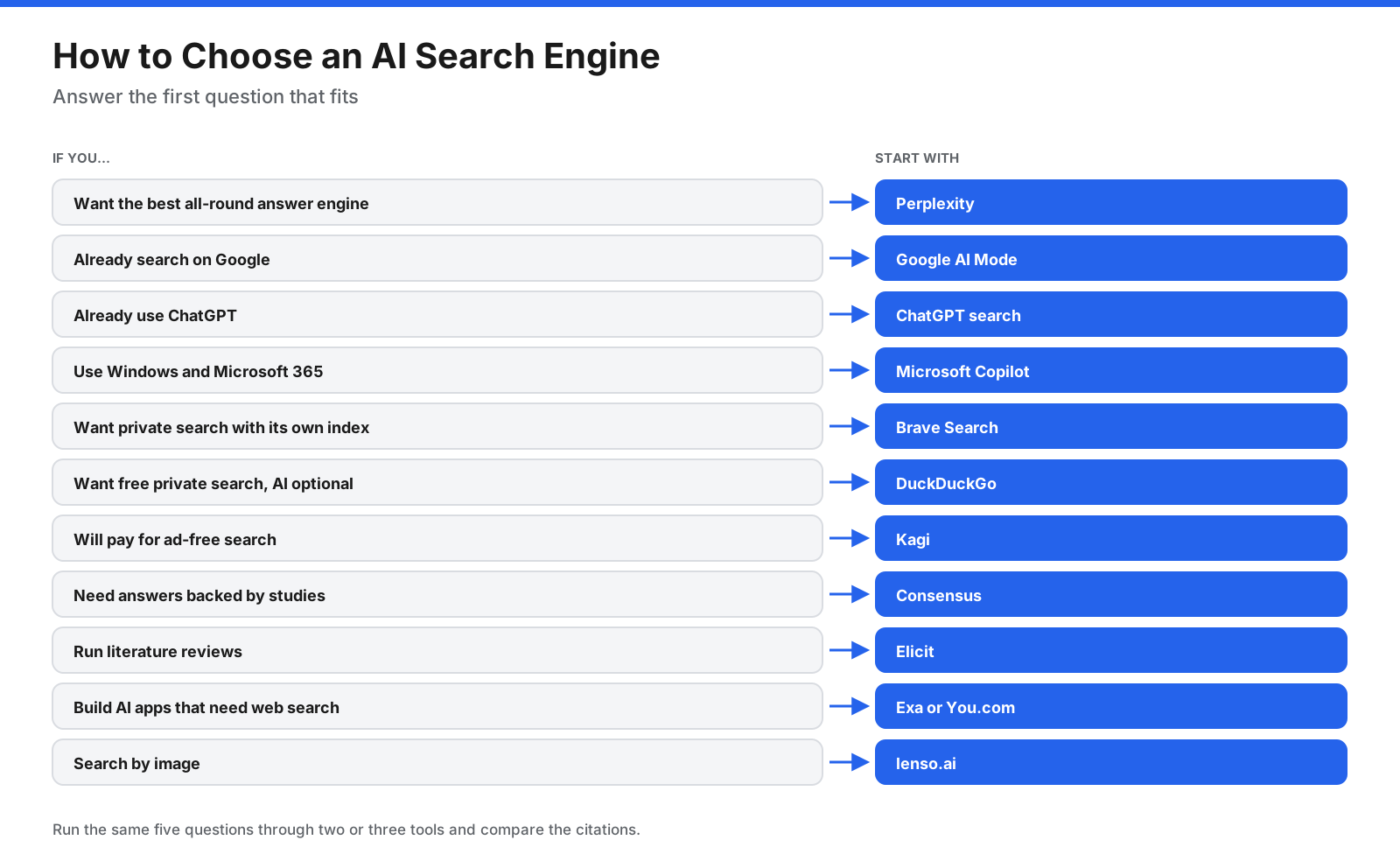
- Many projects with dependencies and subtasks: Asana.
- Visual, customizable boards: monday.com.
- Generous automations on an entry plan: Asana.
- Rich dashboards across many boards: monday.com.
- A team of 2 on a paid plan: Asana, since monday.com bills at least 3 seats.
- Tracking work beyond projects, such as sales or IT requests: monday.com.
- Portfolios and goals for leadership: Asana Advanced.
- CRM, dev, or service tools on the same platform: monday.com.
Frequently Asked Questions
Is Asana better than monday.com?
Neither is better for every team. Asana is generally stronger for structured, task-heavy project management and offers unlimited automations from Starter. monday.com is generally stronger for customization, dashboards, and ease of adoption. The right choice depends on your workflows.
Which is cheaper, Asana or monday.com?
monday.com’s per-seat prices start lower, but it bills at least 3 seats, and its Basic plan lacks timeline views and automations. For a team of 2, Asana Starter is usually cheaper when comparing paid plans with timeline views. For larger teams, compare the specific plans and seat bundles you need.
Does Asana have a free plan?
Yes. Asana’s Personal plan is free for up to 2 users, with unlimited tasks and projects and list, board, and calendar views.
Does monday.com have a free plan?
Yes. monday.com’s Free plan supports up to 2 seats and 3 boards, with templates and mobile apps.
Is monday.com easier to use than Asana?
Many users find monday.com slightly easier to pick up, and user satisfaction comparisons have rated it higher for ease of use. Its spreadsheet-like boards feel familiar. Asana is also easy to learn for everyday task work, but advanced features such as rules, portfolios, and goals can take more time to master.
Which has better reporting, Asana or monday.com?
monday.com is generally rated stronger for visual reporting, with customizable dashboards that pull data from many boards. Asana’s reporting dashboards cover core needs, and its portfolios and goals give leaders a structured view of progress across projects.
Who is monday.com’s biggest competitor?
Asana is one of monday.com’s direct competitors, along with ClickUp, Smartsheet, Wrike, and Trello. Microsoft and Atlassian also compete in work management.
What are the downsides of using Asana?
Asana is less flexible than monday.com for non-project workflows, its dashboards are less customizable, and features such as portfolios, goals, and time tracking require a higher-tier plan.
Is monday.com good for project management?
Yes. monday.com supports timelines, Gantt charts, dependencies, subitems, workload views, and dashboards. Teams with very complex, task-heavy projects may prefer Asana’s deeper task features.
Which is better for small teams?
For a team of 2, Asana is usually cheaper because monday.com bills at least 3 seats. For teams of 3 to 10, compare the specific plans you need, since monday.com’s Standard plan costs slightly more than Asana Starter and includes fewer automation actions. Both free plans can work well for two people with simple needs.
Which is better for marketing teams?
Both are popular with marketing teams. Asana suits teams running campaigns with dependencies, approvals, and cross-team requests. monday.com suits teams that want visual content calendars, flexible boards for different channels, and dashboards for reporting.
Which is better for software teams?
Software teams often use dedicated tools such as Jira, but both can work. monday.com offers monday dev, a separate product built for software teams with sprints and bug tracking. Asana integrates with development tools and suits teams coordinating product launches across engineering, design, and marketing.
Can Asana and monday.com integrate with each other?
Check each tool’s integration directory for current options. Automation platforms such as Zapier can connect them, for example by creating a monday.com item when an Asana task is added.
Why is monday.com’s share price falling?
This question usually refers to monday.com’s stock price, which moves with company results, market conditions, and investor sentiment. Share price changes do not affect how the product works for customers. This article does not cover investment advice.
The Bottom Line
Asana and monday.com are both capable work management tools, and most teams could work well with either. Asana is the stronger choice for structured project management, with deep task features, generous automations from Starter, and portfolios and goals for leaders. monday.com is the stronger choice for flexibility and visibility, with customizable boards, rich dashboards, and an interface many users find easy to adopt.
Price depends on team size: Asana is cheaper for teams of 2 because monday.com bills at least 3 seats, and for larger teams the gap narrows. The best way to decide is to run one live project in each tool’s free plan or trial, with the people who will use it every day.