AnyDesk is a popular remote desktop tool known for being small, quick to install, and responsive on slow connections. You share a short ID, the other person accepts, and you can see and control their screen within seconds. That simplicity has made it a favorite for helping family members, supporting customers, and reaching work computers from home.
There are good reasons to look elsewhere, though. AnyDesk’s free version is licensed for personal use only, and free users who also work remotely can run into prompts asking them to buy a license. Paid plans are priced per connection and can cost more than some alternatives for small teams. Some organizations also reconsidered AnyDesk after the company disclosed a breach of its production systems in February 2024. Others need something AnyDesk does not focus on, such as browser-only access or full self-hosting.
This guide compares 10 AnyDesk alternatives using each provider’s published pricing and documentation. It explains how each option compares with AnyDesk, what it costs, and where it falls short. Prices were checked in October 2026; confirm current terms with the vendor before buying. No product paid for placement.
Quick picks: the best AnyDesk alternatives
- Most complete commercial alternative: TeamViewer, for broad platform support and enterprise features.
- Best value for unattended access: Splashtop, with paid remote access plans starting at $6 per month when billed annually.
- Best open-source replacement: RustDesk, with a familiar remote-access workflow and self-hosting options.
- Best browser-based option: Apache Guacamole, a free gateway for remote desktops in a web browser.
- Best free option for personal use: Chrome Remote Desktop.
- Best for help desks: Zoho Assist, which offers a free edition for one technician.
- Best low-cost Windows option: UltraViewer.
- Best free tool for Windows networks: UltraVNC, released under the GPL.
- Best free remote support tool to watch: HelpWire, free during its early-access period.
- Best for managed service providers: ConnectWise ScreenConnect.
Pricing note: Prices and free-plan terms can change. Some vendors do not publish a standard price for every plan. Where a current public price was unavailable, check the vendor’s pricing page or request a quote.
Why do people look for an AnyDesk alternative?
AnyDesk works well for many people. The reasons to switch tend to fall into four groups.
Free version limits
AnyDesk’s free version is intended for personal use. Professional users need a license. Some people using the free version for work may see notices that commercial use has been detected. If you believe the detection is wrong, AnyDesk provides a review process. If your use is business-related, choose a suitable business license or another tool whose terms fit your needs.
Cost for small teams
AnyDesk’s paid plans start at $28.90 per month billed annually for one user and one concurrent session, according to the pricing information reviewed for this article. That may be reasonable for an individual professional, but teams that need several people connected at once should compare the total cost across providers. Pricing models differ: some charge per user, technician, endpoint, or concurrent session.
Security concerns
In February 2024, AnyDesk disclosed that attackers had compromised its production systems. The company said it replaced certificates, including the one used to sign its software, asked web portal users to reset passwords, and reported no evidence that customer devices were affected. This incident does not by itself mean AnyDesk is unsafe today, but it may be relevant to a security team’s vendor review.
Remote access tools are also misused by tech-support scammers. Never install a remote tool, share a session code, or approve access because of an unexpected call or message.
Feature fit
Some teams need browser-only access, control over the servers that broker connections, help desk integrations, or specialized support for creative work. Those needs can point toward a different product even when AnyDesk itself works as intended.
Which kind of AnyDesk alternative do you need?
Before comparing individual products, decide which type of tool matches your use case. The alternatives fall into four broad groups.

- Commercial remote access platforms offer support, administration and security controls, usually for a recurring fee. Examples include TeamViewer, Splashtop, ScreenConnect and Zoho Assist.
- Free tools cost nothing for some or all uses, but may have fewer management features or limits on business use. Examples include Chrome Remote Desktop, HelpWire and UltraViewer.
- Open-source and self-hosted tools offer more control over deployment and infrastructure, but your team is responsible for setup, updates and maintenance. Examples include RustDesk, Apache Guacamole and UltraVNC.
- Built-in tools include Microsoft Quick Assist, Windows Remote Desktop and macOS Screen Sharing. They can be enough for basic use, but may lack centralized management and support workflows.
Questions to ask before switching
Answer these questions before starting trials. They will narrow the shortlist faster than comparing every feature.

- Will the tool be used for business? Check the license terms and rule out personal-use-only plans for business work.
- Do you need attended support, unattended access, or both? Attended support requires someone at the remote device to approve a session. Unattended access lets an authorized user connect without someone present.
- Which platforms must it support? List operating systems on both ends, including Windows, macOS, Linux, iOS, Android and Windows Server.
- How many people need to connect at once? Concurrent-session and technician limits can have a large effect on cost.
- Is vendor-hosted cloud acceptable, or must you self-host? Some environments need more control over infrastructure and data paths.
- Do you need browser access without installing a client on the technician’s device? Browser-based tools can reduce setup, but may still require software or services on the remote machine.
- Which security controls are required? Check two-factor authentication, single sign-on, session recording, audit logs and granular permissions against your organization’s needs.
10 best AnyDesk alternatives
1. TeamViewer: most complete commercial alternative
TeamViewer is a well-known remote access platform with attended and unattended access across desktop and mobile platforms. Its broader portfolio includes device management, monitoring, endpoint protection and augmented-reality support options.
Pricing: TeamViewer offers free personal use. Business licenses are annual subscriptions for individuals, teams and enterprises. A standard plan price was not displayed on the pricing overview page when reviewed, so check its current pricing page or contact sales for a quote. Eligible nonprofit and education customers may qualify for discounts.
Compared with AnyDesk: TeamViewer offers a broader management feature set, including options such as single sign-on, mass deployment, audit logs and APIs on higher-tier plans. Like AnyDesk, its free version is intended for personal use.
Trade-offs: It can be more expensive than simpler tools, and add-ons can increase the total cost. TeamViewer also disclosed an intrusion into its internal corporate network in June 2024 and said its product environment and customer data were not affected.
Best for: Organizations that want a broad commercial platform for remote access, support and device management.
2. Splashtop: best value for unattended access
Splashtop separates remote access, used to reach your own or your team’s computers, from remote support, used by technicians helping other people. This makes it important to choose the right product before comparing prices.
Pricing: The remote access plans reviewed were billed annually. Solo was listed at $6 per month ($72 per year), Pro at $8.25 per user per month ($99 per year), and Performance at $13 per user per month (listed as $149 per year). Performance targets creative and engineering workflows with higher-fidelity streaming features. Remote support plans start at $22 per month per concurrent technician when billed annually; enterprise pricing is quote-based.
Compared with AnyDesk: Splashtop can be a lower-cost option for unattended access to a small number of computers. Its Performance plan also targets creative workflows.
Trade-offs: There is no free business plan for remote access, and the product range can be confusing if you are not sure whether you need remote access or technician-led support. Check device limits and the precise plan before buying.
Best for: Individuals and teams that need dependable access to their own computers, especially when unattended access and cost matter.
3. RustDesk: best open-source replacement
RustDesk is an open-source remote desktop tool with a workflow similar to AnyDesk. You can use its public infrastructure or set up your own server, depending on your requirements and technical capacity.
Pricing: The core software is open source. A paid Server Pro offering was listed from $11.88 per month when checked. Confirm current billing terms and what is included before choosing a deployment.
Compared with AnyDesk: RustDesk is attractive if you want more control over the connection infrastructure or want to avoid being tied to a single commercial service.
Trade-offs: Self-hosting adds operational work. Your team needs to maintain the server, keep it updated, manage access securely and plan for availability. Open source does not automatically mean a setup is secure without maintenance.
Best for: Technically capable users and organizations that value open-source software and self-hosting.
4. Apache Guacamole: best browser-based option
Apache Guacamole is a clientless remote desktop gateway. Users connect through a web browser while Guacamole connects to systems using protocols such as RDP, VNC or SSH.
Pricing: Free and open source under the Apache License 2.0.
Compared with AnyDesk: Guacamole is a strong fit when browser access and centralized gateway control matter more than a ready-made consumer-style remote desktop app.
Trade-offs: You must deploy and maintain the gateway and configure authentication, network access and security. It is not the easiest choice for someone who simply wants to help a family member with a computer.
Best for: IT teams and organizations that want browser-based access to managed systems.
5. Chrome Remote Desktop: best free option for personal use
Chrome Remote Desktop provides remote access through a Google account and browser-based setup. It is straightforward for personal access to your own computers and occasional support.
Pricing: Free.
Compared with AnyDesk: It is a useful no-cost option for personal use when you do not need a full remote support platform.
Trade-offs: It has fewer centralized management, help desk and enterprise administration options than commercial tools. Check the supported host platforms and account requirements for your environment.
Best for: Individuals who want simple, free access to their own computers.
6. Zoho Assist: best for help desks
Zoho Assist focuses on remote support and unattended remote access for technicians. It may suit teams that want support sessions and device access within a more structured help desk workflow.
Pricing: A free edition for one technician is available. Paid plan prices were not displayed consistently in the pricing information reviewed, so check the current official page for your region and required features.
Compared with AnyDesk: Zoho Assist is more explicitly organized around technician-led support, with plans and controls designed for support teams.
Trade-offs: The best plan depends on technician count, unattended device needs and required features. Confirm that the plan includes the workflows and security controls your team needs.
Best for: Small help desks and IT support teams that need organized attended and unattended sessions.
7. UltraViewer: best low-cost option for Windows
UltraViewer is a lightweight remote support tool focused on Windows. It is worth considering when you need a simple connection workflow and do not require broad operating system support.
Pricing: The vendor listed a free option, including business use at the time checked, and paid plans starting at $3.99 per month. Verify the latest terms before deploying it in a business environment.
Compared with AnyDesk: UltraViewer may cost less for basic Windows support.
Trade-offs: Its Windows focus makes it unsuitable for mixed-platform teams that need native macOS or Linux support. Compare security controls and administration features with your organization’s requirements.
Best for: Windows-only support where a low price and a simple workflow matter.
8. UltraVNC: best free tool for Windows networks
UltraVNC is an open-source remote access tool for Windows. It can be useful for internal support on networks where an administrator can manage configuration and access.
Pricing: Free under the GNU General Public License (GPL).
Compared with AnyDesk: UltraVNC can provide a no-license-cost option for Windows environments with the technical skills to manage it.
Trade-offs: It is more hands-on than a managed commercial service and is not a good fit for every cross-platform or remote-support scenario. Do not expose VNC directly to the public internet; use a secure gateway or VPN.
Best for: Technically capable administrators supporting Windows systems on controlled networks.
9. HelpWire: free remote support option to watch
HelpWire offers remote support for Windows and macOS, with a free early-access offering at the time reviewed.
Pricing: Listed as free during early access. The vendor indicated paid pricing was expected later in 2026, so verify the current terms before depending on the free offer.
Compared with AnyDesk: It can be a low-friction option for support teams that want to try a remote support workflow without an upfront subscription.
Trade-offs: Early-access pricing and product terms can change. Before rolling it out widely, confirm support availability, administration features, security controls and the future pricing model.
Best for: Small support teams evaluating a free starting point, provided they are comfortable with early-access uncertainty.
10. ConnectWise ScreenConnect: best for managed service providers
ConnectWise ScreenConnect is a remote support and access product aimed at IT professionals and managed service providers. It is designed for technicians who support multiple customer environments and devices.
Pricing: A plan was listed from $30 per month when checked. Confirm the current plan, billing terms, technician limits and features directly with the vendor.
Compared with AnyDesk: ScreenConnect is a stronger candidate when the workflow centers on managing many endpoints and supporting multiple customers rather than occasional one-to-one connections.
Trade-offs: It can be more than a casual user needs. Evaluate administration, security controls, deployment and total cost for the number of technicians and endpoints you manage.
Best for: Managed service providers and IT teams supporting many devices.
AnyDesk alternatives compared

| Tool | Free option | Starting paid price | Platforms or focus | Main trade-off |
|---|---|---|---|---|
| AnyDesk | Personal use | $28.90/month | Desktop and mobile | Business use requires a license |
| TeamViewer | Personal use | Check vendor | Desktop and mobile | Can be expensive with add-ons |
| Splashtop | Trial / plan dependent | $6/month, annual billing | Desktop and mobile | Choose the correct remote access or support product |
| RustDesk | Open-source core | Server Pro listed from $11.88/month | Desktop and mobile | Self-hosting requires maintenance |
| Apache Guacamole | Yes | Free | Browser gateway | Requires deployment and administration |
| Chrome Remote Desktop | Yes | Free | Personal remote access | Fewer team management controls |
| Zoho Assist | One technician | Check vendor | Remote support | Plan features vary |
| UltraViewer | Vendor listed free option | $3.99/month | Windows | Limited platform coverage |
| UltraVNC | Yes | Free | Windows | More technical setup and maintenance |
| HelpWire | Free during early access | Confirm current terms | Windows and macOS support | Early-access terms may change |
| ScreenConnect | Trial | $30/month listed | IT support and MSPs | May be more than casual users need |
Pricing checked October 2026. Prices may be affected by billing term, region, taxes, product tier and the number of users or concurrent sessions.
Head-to-head: AnyDesk vs popular alternatives

AnyDesk vs TeamViewer
AnyDesk is a good fit when you value a lightweight tool and a straightforward remote connection. TeamViewer offers a broader platform with more management options for larger organizations. Both reserve their free editions for personal use, so business buyers should compare paid plans and administration features.
AnyDesk vs Splashtop
Splashtop is worth comparing when the main job is unattended access to a known set of computers. Its annual remote-access plans can cost less than AnyDesk’s listed entry plan. AnyDesk may remain preferable if its workflow and platform coverage better fit your team. Compare the exact products and concurrent-use limits.
AnyDesk vs RustDesk
RustDesk stands out for open-source deployment and the option to self-host. AnyDesk is simpler if you want a managed service without maintaining connection infrastructure. Choose RustDesk when control and technical ownership justify the extra operational work.
AnyDesk vs UltraViewer
UltraViewer is a low-cost candidate for Windows-only support. AnyDesk is more suitable when your team needs broader platform coverage. Check current licensing terms and the security features required for your environment.
How browser-based remote access works

Browser-based remote access lets a technician or user connect through a web browser instead of installing a full desktop client on the computer they are using. It can make support easier on locked-down devices or when users move between machines.
There are different models. Apache Guacamole acts as a gateway and connects to systems through protocols such as RDP, VNC or SSH. Other tools let the technician work from a browser while an agent or application runs on the remote computer. Before choosing one, check what must be installed on each side, how authentication works, whether sessions are logged, and how the gateway is secured.
Security checks before you choose a remote access tool

Remote access tools can expose files, applications and entire devices. Use these checks before moving from a trial to daily use.
- Confirm the source of every support request. Scammers may pretend to be a bank, technology company or IT department and ask you to install a remote tool or share a code. Microsoft’s Quick Assist guidance advises allowing connections only when you initiated contact.
- Enable two-factor authentication. Use strong, unique passwords for accounts that can start remote sessions.
- Limit access. Grant only the permissions needed, restrict unattended access to approved users and devices, and use view-only mode when it is sufficient.
- Keep software updated. Update clients and self-hosted servers, and assign someone to track security notices.
- Turn on logging and session recording where available. Make sure logs are retained and reviewed according to your policies.
- Remove access when it is no longer needed. Delete old devices and former staff accounts from remote access systems.
- Do not expose RDP or VNC directly to the internet. Use a VPN, a secure gateway or a brokered connection.
How to choose the right AnyDesk alternative
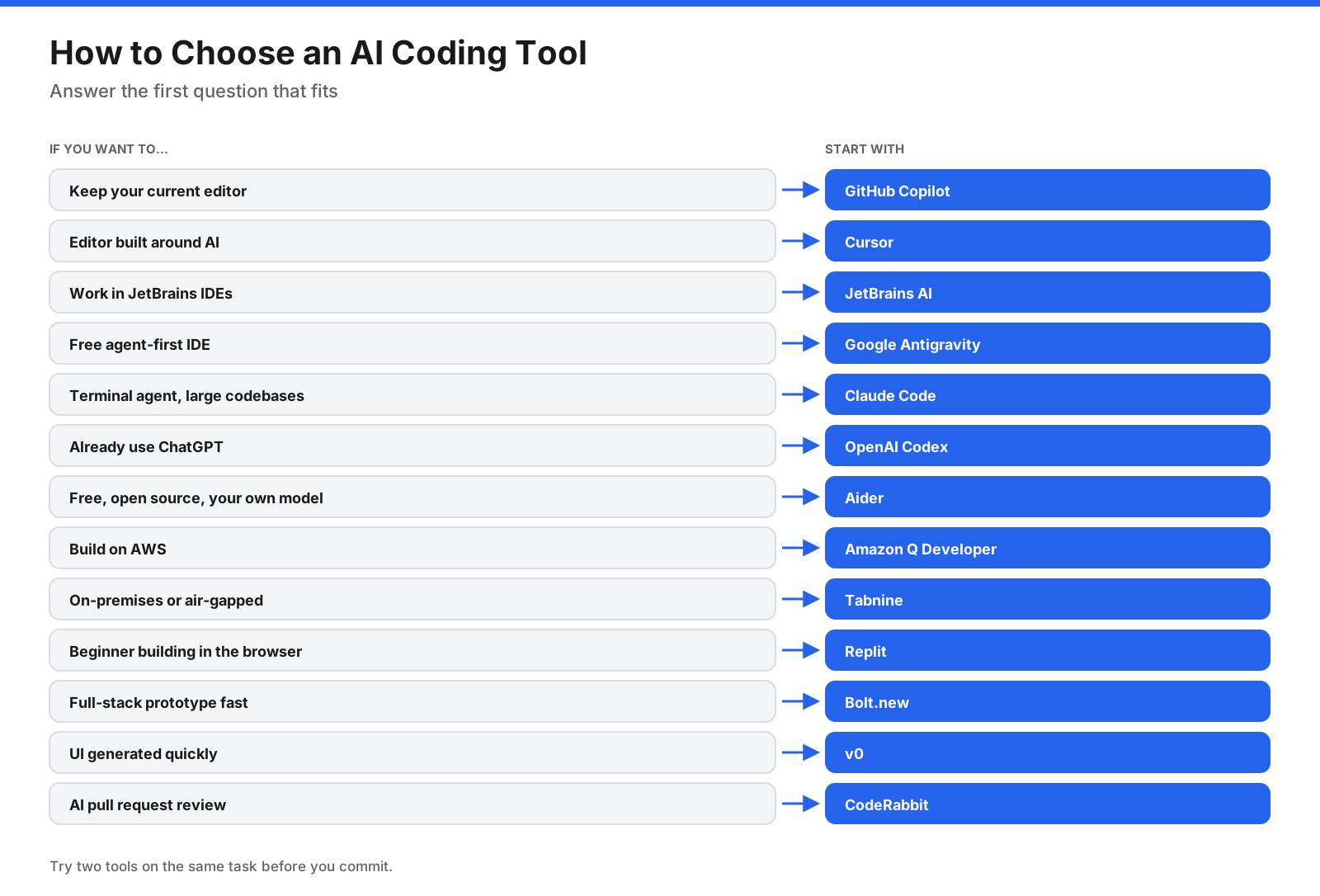
- Personal use and occasional help: Start with Chrome Remote Desktop or the tools built into your operating system.
- Windows-only support on a tight budget: Compare UltraViewer with UltraVNC for internal networks.
- Low-cost unattended access: Evaluate Splashtop’s remote-access plans.
- Access from a browser: Consider Apache Guacamole if you can maintain the gateway.
- Self-hosting and control: Look at RustDesk, or a commercial option such as ScreenConnect if its management features fit.
- A help desk supporting end users: Compare Zoho Assist and HelpWire.
- An MSP managing many devices: Evaluate ScreenConnect.
- A broad enterprise platform: Compare TeamViewer’s management features and total cost.
Trial your top two options with the devices, networks and support workflows you actually use. Confirm the number of simultaneous sessions allowed and the cost at your expected scale.
How to switch from AnyDesk
Switching is usually straightforward if you plan for unattended devices before removing the old tool.
- List every device with AnyDesk installed, who connects to it, and whether access is attended or unattended. Note the renewal date.
- Trial two or three alternatives on a representative set of devices and networks.
- Install the new tool alongside AnyDesk. For larger fleets, use your normal deployment tools.
- Do not remove AnyDesk from an unattended machine until you have confirmed the replacement works and you can reconnect.
- Configure two-factor authentication, user roles and logging before relying on the new tool.
- Update help desk scripts and user instructions. Then remove AnyDesk and cancel the subscription or let it lapse as appropriate.
Frequently asked questions
What is the best free alternative to AnyDesk?
For personal use, start with Chrome Remote Desktop. For business use, options to investigate include UltraViewer, UltraVNC, RustDesk, HelpWire during early access, and Zoho Assist’s free edition. Their terms and features differ, so check whether the free option covers your intended use.
Is there a web-based alternative to AnyDesk?
Yes. Apache Guacamole is a free, open-source gateway that gives users remote desktops in a web browser and supports RDP, VNC and SSH behind the scenes. Some other tools let the support operator work in a browser while software runs on the remote computer.
Is there an open-source alternative to AnyDesk?
Yes. RustDesk is a close option for remote desktop access with self-hosting available. UltraVNC is open source under the GPL for Windows, and Apache Guacamole is open source under the Apache License 2.0 for browser-based access.
Is AnyDesk safe to use?
AnyDesk supports encrypted connections and two-factor authentication. In February 2024, it disclosed a breach of its production systems and revoked certificates, while reporting no evidence that end-user devices were affected. As with any remote access tool, the biggest day-to-day precaution is to avoid unsolicited support requests and never share access codes with untrusted people.
Which is better, AnyDesk or TeamViewer?
AnyDesk emphasizes a lightweight, straightforward remote-access workflow. TeamViewer offers a broader platform with more management and enterprise features. Both restrict free use to personal purposes, so businesses should compare paid plans and required controls.
Which is better, Splashtop or AnyDesk?
Splashtop is worth considering for paid unattended access where cost matters. AnyDesk may be a better fit if you prefer its workflow or need its platform coverage. Compare exact plan limits, not just entry prices.
Which is better, AnyDesk or UltraViewer?
UltraViewer may cost less for basic Windows support. AnyDesk is a better candidate for teams that need broader platform coverage. Verify current business-use terms and compare security controls before choosing.
What is the best AnyDesk alternative for Mac?
Options to evaluate include Splashtop, TeamViewer, RustDesk, Chrome Remote Desktop and Zoho Assist. Check the exact macOS support and feature availability for the operator and remote device. UltraViewer and UltraVNC are Windows-focused and are not good choices for Mac-centered workflows.
Which AnyDesk alternative should you choose?
The right alternative depends on why you are leaving. TeamViewer is worth considering for a broad commercial platform. Splashtop is a strong candidate when low-cost unattended access matters. RustDesk suits teams that want open-source software and the option to self-host, while Apache Guacamole is worth the setup effort if browser-based access is a priority.
For Windows-only support on a small budget, compare UltraViewer and UltraVNC. Zoho Assist and HelpWire are options for help desks, while ScreenConnect is aimed at MSPs and IT teams managing many devices. For personal use, Chrome Remote Desktop or a built-in operating system tool may be enough.
Before you switch, test your top choices on your own devices, confirm the price for the number of people who need to connect at once, and configure access securely. Keep AnyDesk available on unattended devices until you know the replacement works.